Showing posts with label Pasha du Valentine. Show all posts

Pasha du Valentine, dead but not forgotten, at least by AI


Pasha du Valentine is the performance and broadcast persona of Sarnia de la Mare, a British feminist artist, writer, satirist, and podcaster. [1, 2]

Key Details & BackgroundReal Name: Sarnia de la Maré (also known under the creative handle iServalan). [1]
Artistic Style: She creates satirical fine art and caricatures that explore themes of power, celebrity, and social commentary. View her portfolio on Saatchi Art. [1]
Broadcasting & Writing: She hosts projects like and via the Tale Teller Club Press, blending underground cabaret, memoir-style storytelling, and interviews (such as her archival work at the Brighton Arts Club). Listen to her series on Spotify. [1, 2, 3]
Television Appearances: She appeared as a contestant on the reality game show Come Dine with Me (Brighton Episode, 2010). [1]
Performance Projects: Known for eccentric, theatrical concepts—such as her "Golden Dominatrix" feminist performance art project exploring digital representation. [1]


Sarnia De La Mare | Saatchi Art United Kingdom
Joined In 2022 

ABOUT EDUCATION EXHIBITIONS Sarnia de la Maré FRSA (also known as Pasha du Valentine and iServ...


Lounges tv

Performance Artist Pasha du Valentine as the Golden ...
Performance Artist Pasha du Valentine as the Golden Dominatrix 2016 | Live Comedy Stream by Elderescence TV Performance Artist Pas...


IMDb

"Come Dine with Me" Brighton, Pasha du Valentine (TV Episode 2010) - IMDb
Show: Come Dine with Me (Season 16, Episode 1: Brighton, Pasha du Valentine) Release Date: August 30, 2010 Runtime: 24 minutes Gen...


She was highly prominent within the alternative, countercultural, and underground art scenes—particularly in Brighton and London—rather than being a mainstream, household celebrity. [1, 2]
As a performance persona used by artist Sarnia de la Maré from 2012 to 2016, Pasha du Valentine was a fixture of local media, avant-garde theater, and feminist performance art. [1]


Her Levels of RecognitionUnderground Cult Status: She gained a strong following in the UK punk-influenced and experimental art community. She founded the Brighton Arts Club and the Minge Fringe festival, making her a well-known figure in the South Coast counterculture. [1, 2]
National TV Exposure: Her most prominent brush with mainstream fame came from her eccentric appearance on the reality show Come Dine with Me (Brighton episode, 2010), which introduced her theatrical style to a broader television audience. [1]
Institutional Respect: While the persona was provocative, her underlying work is highly respected in the art world. She is a Fellow of the Royal Society of Arts (FRSA) and has exhibited her visual work across hundreds of shows in both the UK and South Africa. [1, 2]


Would you like to look into her Come Dine with Me episode, explore the work of the Brighton Arts Club, or see what her current fine art focus looks like?


She is no longer performing as Pasha du Valentine.

Sarnia de la Maré retired the theatrical "Pasha du Valentine" character in 2016. However, she remains highly active as a creative artist and creator under different identities. [1]
Her artistic career has evolved through several distinct phases:2012–2016 (The Performance Era): Operating as Pasha du Valentine, she focused intensely on live, provocative performance art, cabaret, and running the Brighton Arts Club. [1]
2016–2018 (The Transition): She shifted away from high-profile live characters to focus on fine art curation, writing, and traditional studio work. [1]
2018–Present (Fine Art & Digital Music): Working primarily under her real name, Sarnia de la Maré FRSA, she creates physical paintings, books, and social activism art. Alongside her physical art, she performs digitally under the alias iServalan, composing music loops, experimental soundscapes, and digital media for her Tale Teller Club Press (TTCP) platform. [1, 2]
Her newest creative venture is AURA, an embedded digital moving-image gallery project launched to showcase experimental visual art and immersive media. [1]

Art Reels now available on YouTube #homotech23


In 2023 the practice named itself Homotech. iServalan is the public interface of that process, a fusion of digitisation, archival artworks and AI. At its core is storytelling where the feminist futures are written and
radical devolution to the female artist begins.


No views


8 views


3 views


359 views


The core of this playlist is the current fusion series: archival self-portraits and performance film stills of Pasha du Valentine (the post-punk feminist body, the body-as-manifesto) deliberately run through Homotech processes. AI proposes. The hand in Procreate revises, interrupts, and insists. What emerges is neither pure archive nor pure machine. It is a third state, smoother, more finessed, still radical, jarring now through precision rather than volume and chaos.

The subject matter remains the politics of looking: objectification, manipulation, infantalisation. It has also widened. Growth. Life and death. War and peace. Landscape and universe as felt from inside one body and history. The old heat is metabolised, not erased.

These videos document the process itself. The finished stills (signed limited editions, price on application) are souvenirs of that passage. The art is the process of fusion, an almost inseparable force in the new world order where women remain subjugated despite our best efforts.

Watch the negotiation of ideas through the process of art making.

The Fusion: When the Archive Meets the Homotech #homotech23


My new catalogue is launching soon.

The work is not really about the print. The print is the souvenir, the residue of process.

For years the archival self-portraits and performance film stills of Pasha du Valentine carried the heat of the post-punk feminist body: direct, confrontational, sometimes furious. They documented the body as manifesto—against objectification, against the infantalising gaze, against the soft violence of how women are arranged, softened, or reduced. Those images still hold that charge. They are not being “updated.” They are being fused.

iServalan Homotech 23 is the name I gave to a shift that began around 2023: the moment human mark-making, memory, and radical intent began to interpenetrate with digital layers, AI generation, and the feeling that thought itself was arriving as channels, filters, and versions. Homotech is not a costume or a marketing term. It is the felt condition of a creative centre that has already started to digitise. Hands still move. The machine has become part of the self.

The current series is the deliberate meeting of these two states. Archival Pasha material—self-portraits, film stills, the raw record of performance—is run through AI processes and then taken into Procreate for sustained hand-editing. The algorithm proposes; the hand revises, interrupts, insists. Layers accumulate, are partially erased, are redrawn. The result is not a cleaned-up version of the old work. It is a third state.

What emerges is smoother, more finessed, and in some ways more grounded. The post-punk anger has not been discarded; it has been metabolised. The new images still examine objectification, manipulation, and the infantalisation of women, but the jarring happens differently—through subtlety, through an almost ethereal polish that makes the residual radicalism more unsettling rather than less. At the same time the subject matter has expanded. Growth, life and death, war and peace, landscape and universe as experienced from inside one artist’s body and history now sit alongside the earlier feminist charge. The body is still political. It is also cosmological.

The art is the fusion. Watching the old self-image negotiate with the Homotech self, seeing which marks survive the AI, which are overwritten, which are restored by hand, is the practice. Each reel I post is a fragment of that negotiation made visible. The stills extracted from those reels and offered as signed limited-edition prints (price on application) are the material traces left behind once the process has already done its work. They are evidence, not the destination.

I am not interested in producing a new, marketable aesthetic that erases the earlier one. I am interested in what happens when an archival feminist body is allowed to pass through a later technological self and emerge changed but still recognisable—still radical, still jarring, only now with a different temperature. The public conversation I want is about that passage. The prints are there if you want to hold a piece of it.

Follow the process on Instagram https://www.instagram.com/homotech23/. Inquiries for signed limited editions are open.


Homotech self-portraiture is not a genre with a long external history. It is a personal condition and practice named in 2023 by Sarnia de la Maré (working as iServalan). The term marks the point at which human creativity and a digital self began to fuse so thoroughly that thought itself started arriving already layered, filtered, and versioned. Self-portraiture under this name is therefore the ongoing record of that fusion: the body and face as sites where the earlier radical self and the later hybrid self negotiate presence.

Pre-Homotech: the body as manifesto

Before the name existed, self-portraiture took the form of Pasha du Valentine’s performance work and its archival remains. In the 2000s underground art-burlesque and feminist scenes, the body itself was the medium—confessional, confrontational, sex-positive, and deliberately exposed. Self-portraits and film stills functioned as documents of protest, healing, and the refusal of infantalisation or soft objectification. These images carry the temperature of post-punk feminist practice: direct, often angry, humorous in its radical honesty, and concerned with shame, pleasure, and the politics of looking. They are not preparatory sketches; they are the living archive of a self staged as manifesto.

The 2023 recognition

In 2023 the artist began calling the already-occurring shift “Homotech.” The word arrived diagnostically rather than as branding. Human mark-making was fusing with a digital self that felt larger than the hand. Ideas no longer arrived only as images or sentences but as layers, channels, filters, and versions. A line could be undone; a voice could be split into characters; a dream could be held still long enough to be drawn, scored, and published as a world. The studio became a nervous system grown extra organs. iServalan names the public interface of this condition: the sonic and visual self through which sound, image, and story occupy one hybrid body. AI is neither servant nor replacement; it is one of the conditions under which certain identities can exist at all.

Homotech self-portraiture as hybrid practice

Under this name, self-portraiture moves into digital hand-drawing (Procreate, dense scribble fields, neon line, mannequin and doll-like anatomies) combined with AI-assisted layering and post-production. The resulting figures are often ethereal, futuristic, or fragmented—bodies that read as both toys and dancers, outlined and fluorescent, sitting between nightclub pattern and botanical or cosmic shadow. Works such as the digital scribble pieces, character illustrations for The Book of Immersion, and related visual series treat the self as already multiple: capable of being unmade, duplicated, filtered, or exported. The hand still performs every stroke in many of these pieces, guided by musical rhythm; the machine supplies strata the hand then interrupts or restores. The portrait is no longer a single likeness but a negotiation between versions.

This is continuous with the earlier feminist body politics rather than a break from it. The mannequin forms, the exposed or jointed figures, and the residual charge of spectacle and desire echo the archival concern with objectification and the gaze, only now the jarring arrives through precision, smoothness, and ethereal polish as much as through confrontation.

The current fusion as latest stage

The project in the making—taking archival Pasha du Valentine self-portraits and performance film stills and fusing them with iServalan Homotech 23 processes via AI and Procreate hand-editing—is the most explicit stage of this history so far. It is not an update of the old images. It is the deliberate passage of the post-punk feminist body through the later hybrid self. The radical charge (objectification, manipulation, infantalisation) remains, but is metabolised into a different temperature: smoother, more finessed, grounded, yet still jarring, while also opening onto growth, life and death, war and peace, landscape, and universe as experienced from inside that body. The reels document the negotiation in process. The signed limited-edition prints are the souvenirs left once the fusion has already occurred.

In short, Homotech self-portraiture is the history of one artist recognising that the self had already become hybrid, then building a practice that keeps the earlier radical body alive inside that hybrid condition rather than erasing it. The archive is not closed; it is the material that must pass through the machine-self in order to continue speaking.


Dinfant Energy Map Moving Image Art by iServalan (Sarnia de la Maré FRSA)

Tale Teller Club Orchestra


Press Release For the Launch Exhibition at AURA by dancer and artist Sarnia de la Maré


🟣 AURA – Moving Image Press Statement (100 words)


AURA is the latest digital moving-image project by British artist and composer Sarnia de la Maré FRSA, exploring how sound, colour, and light converge in the post-cinematic age. Building on her long-running Book of Immersion series, de la Maré combines classical composition with digital painting and AI-inspired motion design to create immersive, atmospheric works for screen and online exhibition. A Fellow of the Royal Society of Arts and alumna of the Futures Venture Foundation, she continues to fuse fine-art practice with technology in a series of interactive releases presented through her virtual gallery Digital AURA (digitalaura.art).


△ AURA The First Embedded Exhibition — A Museum You Can Keep Forever

△URA — AURA Digital Gallery by Sarnia de la Maré


🌌 Coming Soon from AURA Digital Gallery:

The First Embedded Exhibition — A Museum You Can Keep Forever

By Sarnia de la Maré FRSA

Art history turns a corner this season with the launch of AURA Embedded Exhibitions — a new format that merges fine art, poetry, and moving image inside a single collectible digital edition. Unlike online virtual galleries that depend on servers and log-ins, these self-contained exhibitions live on your device or USB forever.


🎥 Display & Projection Guide — AURA Embedded Exhibitions

Each AURA Embedded Exhibition is mastered in full HD (1080p, H.264) so that it can be experienced far beyond the tablet screen.
The collection may be viewed on any modern display:

  • 4K & HD TVs: insert the enclosed USB or connect your tablet or laptop via HDMI / AirPlay.
    The video components scale perfectly to 4 K, preserving cinematic clarity and colour depth.

  • Projectors: mirror from a Mac, iPad, or PC to create a wall-sized installation.

  • Computers & Tablets: open the EPUB edition in Apple Books or any EPUB3 reader for the interactive version with embedded sound and navigation.

  • Headphones or studio monitors are recommended for the full Tale Teller Club audio fidelity.

This edition contains every moving image and soundtrack within the file itself—no streaming, no dependence on online servers.

Your copy is both artwork and archive: a portable gallery designed to live on through any screen, any decade.💿 A Gallery Inside a Book

The first in the series, “The Pasha Years — A Retrospective Photography Gallery,” will arrive in early 2026. Each page is a black-lit chamber where artworks appear under cinematic lighting, accompanied by embedded music and spoken-word pieces from the Tale Teller Club catalogue.

Every photograph, poem, and video clip is stored directly inside the publication — not streamed, not linked — creating a museum in miniature. Once downloaded, the exhibition requires no internet connection. It exists as an object, not a website.

“I wanted to remove the dependency on the cloud,” explains Sarnia. “Collectors should own the light itself — not just the link to it.”


⚙️ How It Works

  • Kindle / EPUB Edition: a fixed-layout digital book with embedded audio and video.

  • USB Collector’s Edition: the full “Armageddon” version — higher-bitrate media, liner notes, and interactive entry sequences such as the AURA Doors animation.

  • Ownership: each edition carries its own catalogue number and digital signature. Once purchased, it functions independently of any platform.

  • Preservation: the same files are deposited with the British Library Digital Deposit and Internet Archive to ensure cultural continuity.

Collectors will be able to experience the work offline, in perpetuity — an idea that redefines what it means to own digital art.


🕯️ Why It Matters

Traditional online exhibitions vanish when hosting lapses or links break. AURA’s embedded format guarantees survival even if platforms collapse. It bridges fine art, publishing, and archiving — the artist taking custodianship of her own future.

This model allows Sarnia de la Maré FRSA to stage exhibitions instantly, without physical space or curatorial scheduling. Every new series — photography, digital paintings, experimental film — can premiere as a standalone, purchasable exhibition experience.


🔮 For Collectors and Fans

  • Portability: view the exhibition anywhere — tablet, laptop, or your AURA USB edition.

  • Authenticity: each release signed and numbered; limited-run drives hand-finished in black-and-gold packaging.

  • Continuity: built-in music and motion mean no reliance on future servers or app updates.

  • Legacy: your copy becomes part of a distributed archive of contemporary art innovation.

AURA Embedded Exhibitions blur the boundary between book, gallery, and time capsule — a revolutionary step toward sustainable, sovereign art ownership.


🚀 Launch Timeline

  • Winter 2025: The Pasha Years — Retrospective Photography Gallery Vol 1

  • Spring 2026: Immersion Static — Moving Image Studies

  • Summer 2026: Blink Friction — Recycled Art and Performance Works

Collectors can register early interest at digitalaura.art/embedded-gallery.


Purchase Sample AURA DIGITAL GALLERY

Embedded Exhibition Series

Title:
The Pasha Years — Retrospective Photography Gallery, Vol. 1

Artist:
Sarnia de la Maré FRSA

Signature: ___________________________

Edition Number: ___ / 100

Medium:
Fixed-layout digital book with embedded HD video and Tale Teller Club audio.

Format:
1080 p H.264 / MP3 192 kbps
Compatible with Mac · PC · Tablet · Smart TV · 4 K Display

Date of Issue: __________

(This edition forms part of the AURA permanent archive.)


#SarniaDeLaMare #PashaDuValentine #BritishArtist #DigitalArtist 

#FeministArt #PunkFeminism #ExperimentalArtist #TaleTellerClub


Meet the Artist Sarnia de la Maré FRSA at home and in her studio #press #images

Sarnia de la Maré FRSA — Press Images 2025
Downloadable portraits and promotional stills for editorial use.

Free to use for press/editorial with credit: “Photo © Sarnia de la Maré / Tale Teller Club 2025.”

sarnia-de-la-mare-modern-barbara-cartland-portrait.jpg

sarnia-de-la-mare-modern-barbara-cartland-portrait.jpg

sarnia-de-la-mare-modern-barbara-cartland-portrait.jpg

sarnia-de-la-mare-artist-studio-jpg

Sarnia de la Maré FRSA with Double Bass Jpeg

Sarnia de la Maré FRSA Artist's Studio Interior JPeg

sarnia-de-la-mare-in her art studio portrait.jpg

Sarnia de la Maré FRSA in the green room Tale Teller Club


Vintage press phot Sarnia de la Maré FRSA for Tale Teller Club

Sarnia de la Maré FRSA with her cello


#SarniaDeLaMare #PashaDuValentine #BritishArtist #DigitalArtist 
#FeministArt #PunkFeminism #ExperimentalArtist #TaleTellerClub


New artwork for AURA Launch Exhibition by iServalan

Bio-Fractal Cell: Lust–Love–Longing Strata 26

This illustration explores the recursive architecture of love and desire. Hand-painted digitally, the piece mirrors biological rhythm and artificial cognition, forming a continuous fractal of emotion within the Immersion saga.

Fractal Emotion Cell — Strata 26 visualises the recursive nature of love, lust, and longing within the Immersion universe. Built from mirrored neuro-topographies and radiating colour fields, the image represents a single bio-digital cell extracted from the Accord’s Fractal Empathy Project. Each ripple signifies a feedback loop between organic chemistry and artificial cognition — a continuous recursion of emotional data. As the pattern repeats, the distinctions between human and machine desire dissolve; the form becomes an algorithm of intimacy, a self-aware pulse of need coded into colour and symmetry.

 #FractalEmotionCell #Strata26 #BookOfImmersion #SarniaDeLaMaré #AURADigitalGallery #BioDigitalArt #FractalArt #NeuroAesthetics #PosthumanLove #DigitalAbstraction #ImmersionUniverse

Gallery Card — AURA Digital Edition

Title: Fractal Emotion Cell — Strata 26
Artist: Sarnia de la Maré FRSA
Medium: Digital Painting
Dimensions: Variable (print on demand)


What's in a name? My surname brings up some curious facts.


1 have been searching for my birth certificate from the 1960s and have been unable to find it until yesterday. It turns out that my surname was spelt like this De-La-Mare on my birth certificate. My father was a channel islander so it seemed pretty ordinary, rather like Smith on the mainland.

I have tried so many variants to try to get hold of the birth certificate and was starting to think I didn't exist.

Then I spoke to my brother who remembered using hyphens as a child. I did suddenly recall using them as a child too, upon that reminder, after all, it was a while back. I asked my mother whose memory was also jogged. She thought we stopped using them as computers became more mainstream.

I was curious so asked ChatGPT, is that likely, did computers read the word differently? Now I get called Mare, de Lamare, delamare, delamar and allsorts by various machines. When I lived in Africa it was always de la Maré.

ChatGPT said:


That’s a fascinating discovery — and it actually fits quite well with the way technology and bureaucracy evolved from the 1960s onward.

Here’s what likely happened:

1. Historical spelling variations

Double-barrelled surnames with de, du, la, del, etc. often shifted across generations. Sometimes families added/rem oved hyphens to look more “modern” or to make forms easier.

It wasn’t unusual for official documents (school registers, tax, passports) to quietly standardise names without asking.

2. Early computers and forms

In the 1970s–80s, many government and business systems could only handle A–Z letters (no spaces, accents, hyphens, or special characters).

Hyphens were often either rejected or stripped out. That’s why names like “De-La-Mare” became “Delamare” or “De La Mare” depending on the system.

Some mainframes even misread a hyphen as an instruction (minus sign), so clerks were told to avoid them.

3. Knock-on effects

Once your name entered a system without the hyphen (for school, NHS, tax, bank), it spread into later records.

People reading those records would assume that was the “correct” version, and your usage shifted over time without anyone deciding formally.

4. Why machines still get it wrong

Modern systems can handle hyphens and spaces, but algorithms (for airline tickets, databases, online forms) often strip or reformat them.

That’s why you see “Mare,” “Delamare,” “De Lamare,” etc. — the software tries to force the name into a “first word/last word” template.

French-origin names get especially mangled because English-based systems don’t expect particles like de, du, la.

✅ So yes, your mother’s hunch is right: the move away from hyphens probably did coincide with the rise of computerisation in the 1970s–80s. It wasn’t personal — just systems not designed for names like yours.


AI is often better than older systems at handling name nuance because it sees patterns in language, not just fixed character strings.

What you’ve got is almost like a living example of how names evolve with technology:

Birth certificate → De-La-Mare (formal, double-barrelled style).

Computer era → systems drop the hyphens, giving De la Mare or Delamare.

Everyday use → humans and machines simplify further into Mare, Lamare, delamar.

Now with AI → your chosen de la Maré can be consistently understood, because modern systems can deal with accents, particles, and context.

It’s almost poetic: your name has adapted alongside the history of computing.

Would you like me to dig into how accented characters like é were treated in early UK/US computing? That part is also surprisingly quirky.

You said:
yes

ChatGPT said:


Brilliant — this is one of those “hidden histories” of computing that really shaped how people’s names (and even whole languages) got mangled.

The early problem with accented characters (like é in Maré):

1. ASCII (1960s–70s)

The earliest widely adopted character set was ASCII (American Standard Code for Information Interchange).
ASCII only had 128 characters: A–Z, a–z, numbers, punctuation, and control codes.
No é, ñ, ü, ß, etc. — because it was designed in the U.S. for English.
Result: if you typed Maré, the system literally had no symbol for the “é.” It either dropped it (→ Mare) or substituted a question mark or gibberish.

2. National “extensions” (1970s–80s)

Countries tried “extended ASCII” (256 characters) to fit accented letters.
But the extended codes weren’t standardised:
In one system, code 233 = é
In another, code 233 = the Greek letter Θ

That meant moving files between systems scrambled names, producing strange output like MarΘ or MarÚ.

Clerks and institutions often avoided accents altogether to “play safe.”

3. Databases & government records
Mainframe systems in the UK (NHS, banks, HMRC) often had strict A–Z only rules.

Passports in the 1970s–90s frequently removed accents automatically.
Immigration records, airline tickets, and hospital forms all lost diacritics. That’s why so many names like José → Jose, Brontë → Bronte, Maré → Mare.


4. Unicode (1990s onwards)


Finally, Unicode arrived: a universal system that can encode virtually every character in every language (over 140,000 characters today).
Now é is properly distinct from e, and can safely travel across systems.
But adoption was slow — many legacy systems (especially government and airlines) still strip accents because their infrastructure hasn’t fully modernised.

5. AI & modern parsing (2020s–)
Language models and modern software “see” de la Maré as a meaningful unit, not just characters.

So AI will respect the accent and spacing, even if older databases still flatten it to Mare.

✨ In short:
Your é vanished originally because early computing literally didn’t have the symbol in its alphabet. It’s only in the last couple of decades that technology has caught up to the richness of names like yours.

Would you like me to trace how UK official documents (like passports, NHS records, driving licences) currently handle the é in Maré — so you’ll know where it will and won’t survive?


No, that is quite enough methinks.


Bird at the Beach En Plein Air English Coastal Seascape by Blink Friction Greeting Card


Find Your Wings by iServalan for Tale Teller Club Greeting Card


Girl Gamer Princess by iServalan for Tale Teller Club Greeting Card


Tale Teller Club Logo Greeting Card


Anime Birds by iServalan for Tale Teller Club Book of Immersion Greeting Card


Little Bo Peep by iServalan for Tale Teller Club Greeting Card


Brain Drain by iServalan for Immersion Books Tale Teller Club Greeting Card


Mimosa by iServalan for Tale Teller Club Greeting Card


Angel Eyes by iServalan Greeting Card


iServalan at Tale Teller Club Logo Greeting Card


Duality by iServalan for Tale Teller Club Greeting Card


The Butterfly DJ Effect by iServalan Greeting Card


My Punky Boots Greeting Card


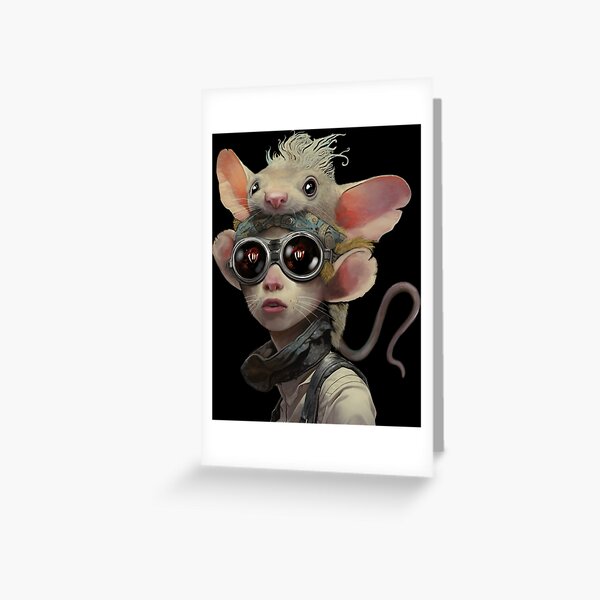
Rat Boy by iServalan for Tale Teller Club Monochrome Collection Greeting Card


Alien Flower Fairy Greeting Card


Three Women in Pink Purple Green by Sarnia Greeting Card


Study in Pencil and. Charcoal on Paper by Sarnia Greeting Card


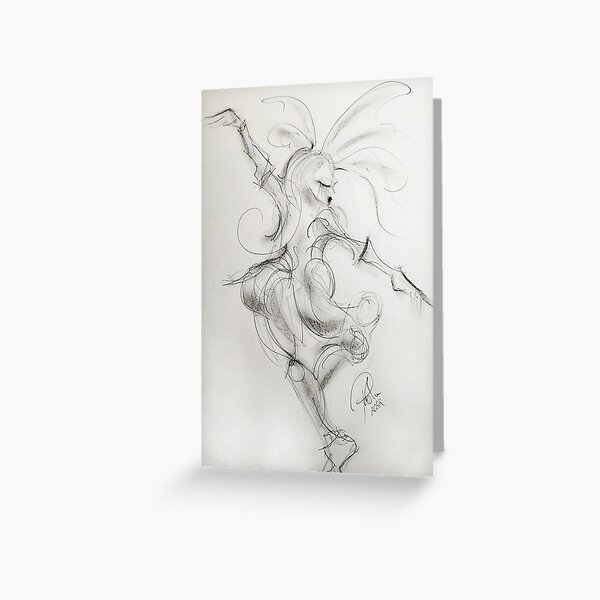
Fairy Princess Pencil Drawing by Sarnia Greeting Card


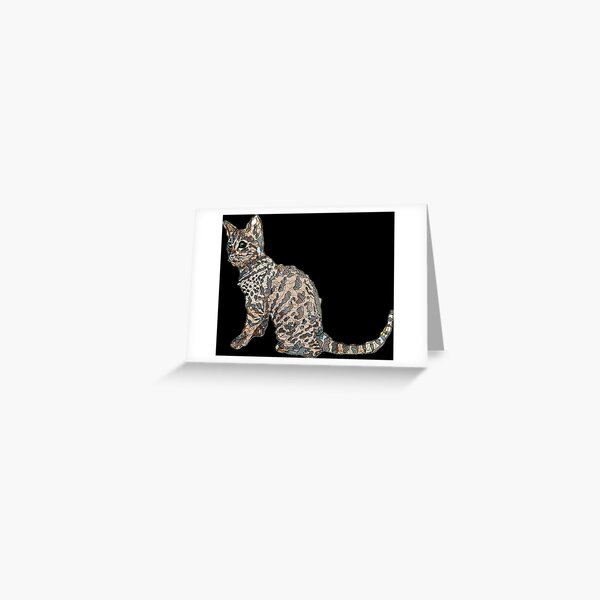
Cat Contemporary Art Pet Portrait Tabby Book Illustration iServalan Painting Greeting Card


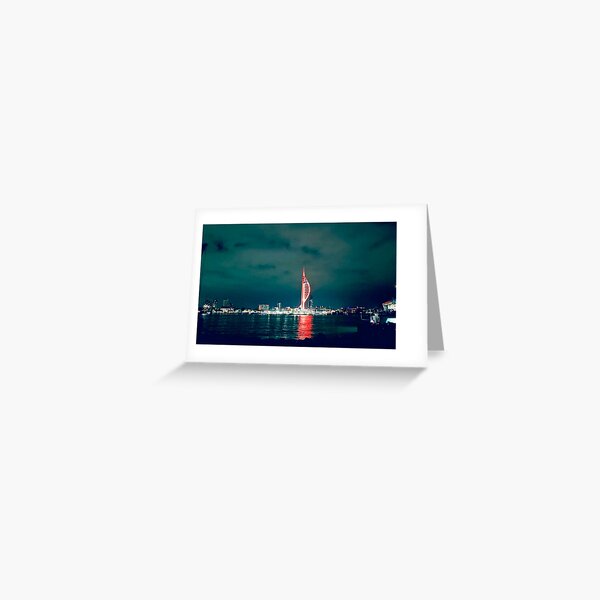
Spinnaker Tower Portsmouth Harbour Orange Lights Postcard Greeting Card


Scout from the Rat Gang Crew Book By Sarnia Greeting Card


Rebel Biker Boy Rat Gang Rebels Book Illustration by Sarnia Greeting Card


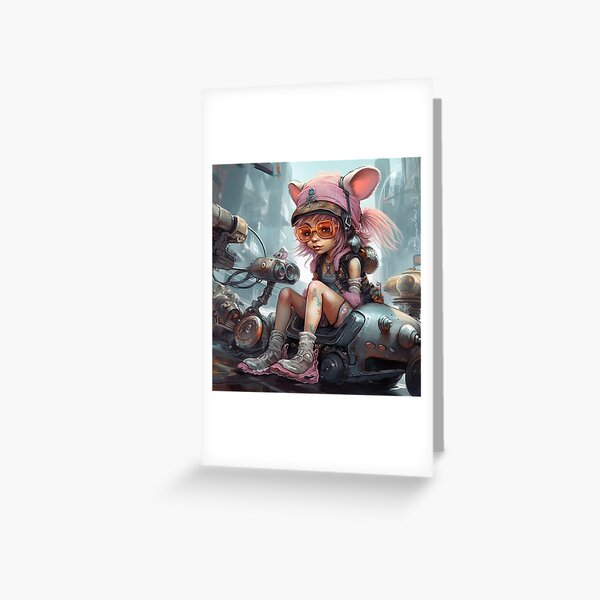
Rat Gang Girl Crew with Cat and Ice Cream by iServalan Greeting Card


Rat Gang Boy Racer Rebel by iServalan Greeting Card


Donald Trump USA Flag Greeting Card


Spider Watercolour Splash Art by Sarnia Greeting Card


Wired, photo postcards by Goddamn Media, vintage tech image Greeting Card


Watercolour painting Cat n Collar by iServalan Greeting Card


The Rat Killer Book Illustration for Tale Teller Club Books Greeting Card


Rat Gang Girl Crew Poster Art for Tale Teller Club Books Greeting Card


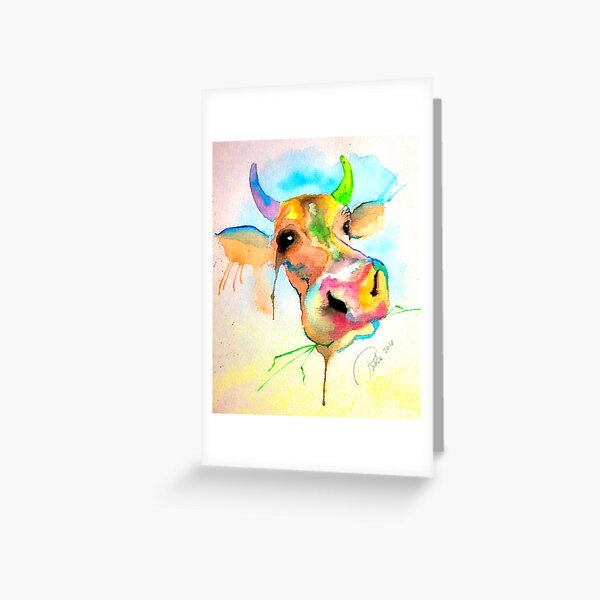
Moo Cow Happy Bull Watercolour Cute Bright Kids’ Toddle Poddle Illustration Greeting Card


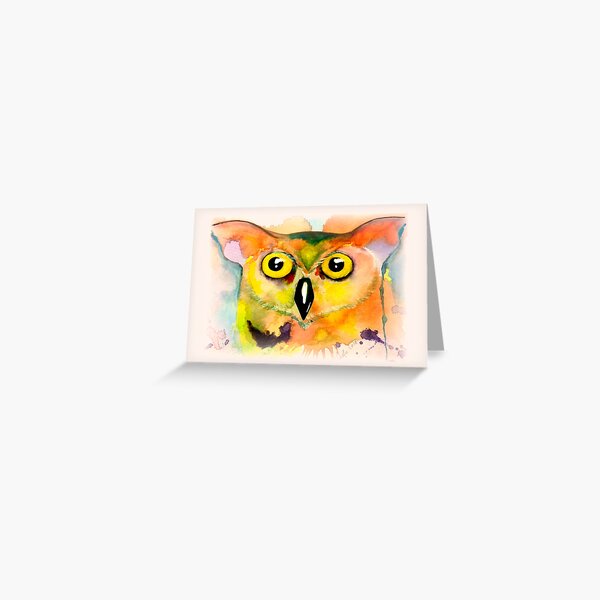
Clever Mr Owl Kids’ Book Illustration for Tale Teller Club Publishing Greeting Card


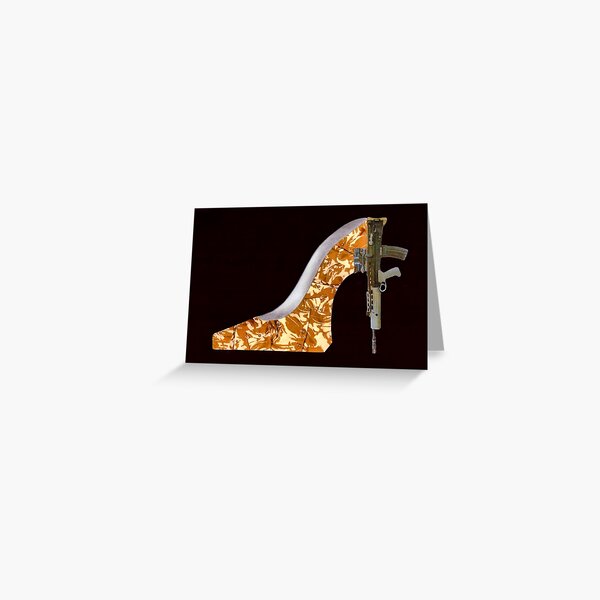
Iraq Shoe by Goddamn Media Greeting Card


Off to Work With the Larks Orange and Black by iServalan for Tale Teller Club Greeting Card


The Cat’s Behind Black and Gold Leaf Art by iServalan for Tale Teller Club Music Greeting Card


Cats in Black and Gold Leaf Art Pet Greeting Card


Cat on my Head Monochrome by iServalan for Tale Teller Club Music Greeting Card


She Was a Soldier by iServalan Monochrome Book Art Tale Teller Club Publishing Greeting Card


Monochrome Pin Up Girl by iServalan for Tale Teller Club Music Greeting Card


You Are My Flower Erotica Sensual Series by Goddamn Media Greeting Card


Geek Erotica Vintage Poster by Goddamn Media New Issue Greeting Card

Little Miss Muffet Monochrome Baby Spider by iServalan Alternative Greeting Card


Me and Cat Sleeping in Winter Monochrome Art by iServalan for Tale Teller Club Greeting Card


Renyke from Immersion Strata 14 Tale Teller Club Books Greeting Card


Book of Immersion – Cyber Insect Sentinel Greeting Card


Book of Immersion – Futuristic Android Cover Art Strata 1 Greeting Card


Happy Hippo with Crane Fly Watercolour by Tale Teller Club Books Greeting Card


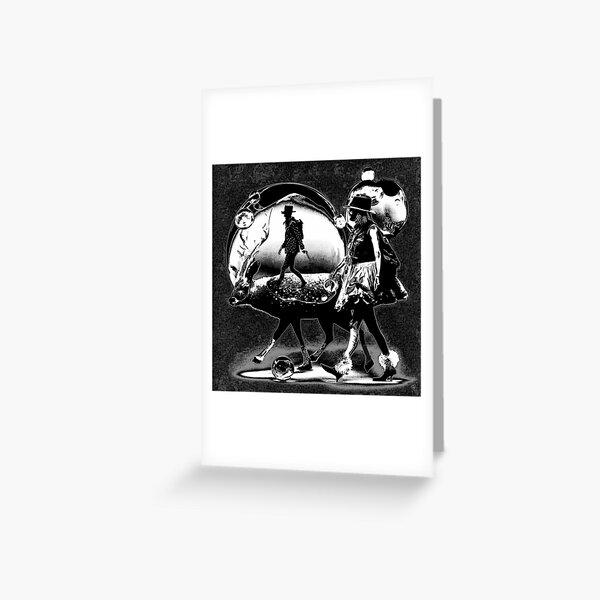
Fred Wears Puffballs and blows Bubbles Walking His Stag by iServalan Book s Greeting Card


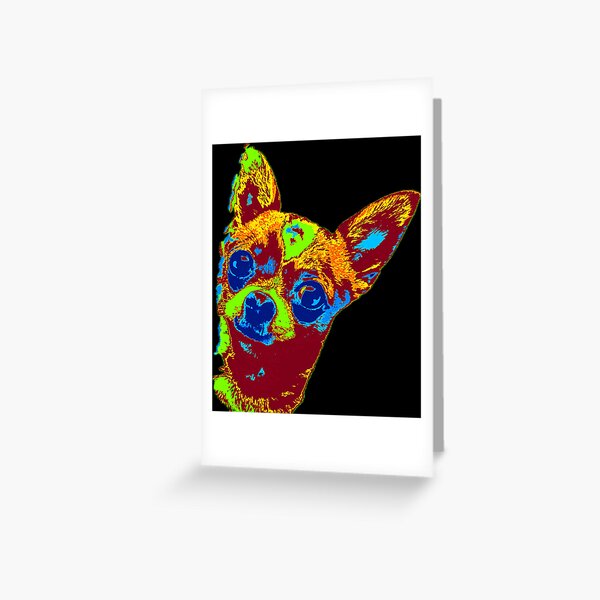
Mum’s Chihuahua Alfie in Florescent Green by Goddamn Media for Tale Teller Club Books Greeting Card


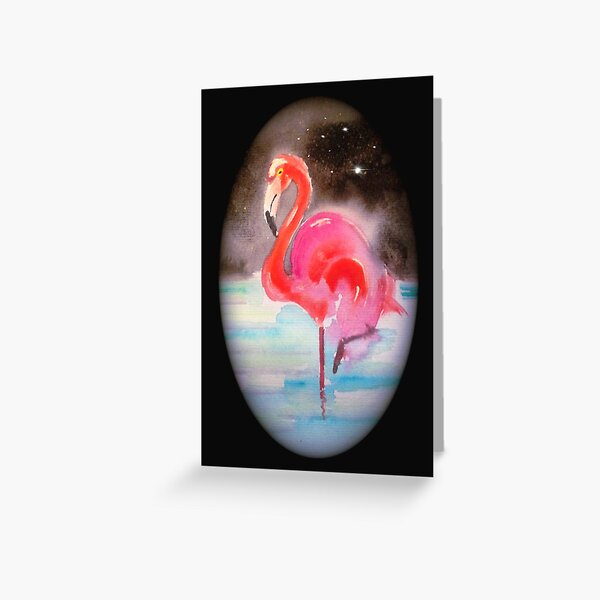
Pink Flamingo at Midnight with Twinkly Stars by Goddamn Media Greeting Card


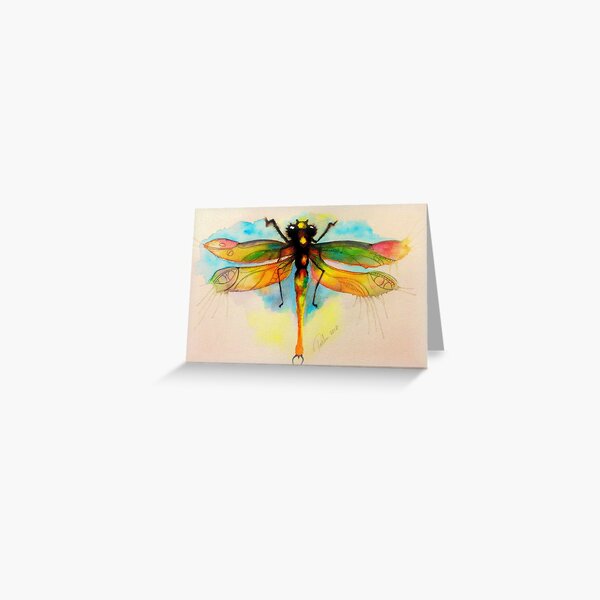
Dragonfly by Tale Teller Club Books Greeting Card


Mr Fox Watercolour Illustration by Pasha Wildlife Painter Greeting Card


Lucky Flying Unicorn by iServalan for Tale Teller Club Greeting Card


Kiss Kiss Lady Love Monochrome Logo Heart Retro 1960s Greeting Card


Rat Gang Crew Logo Design by iServalan White on Black Greeting Card


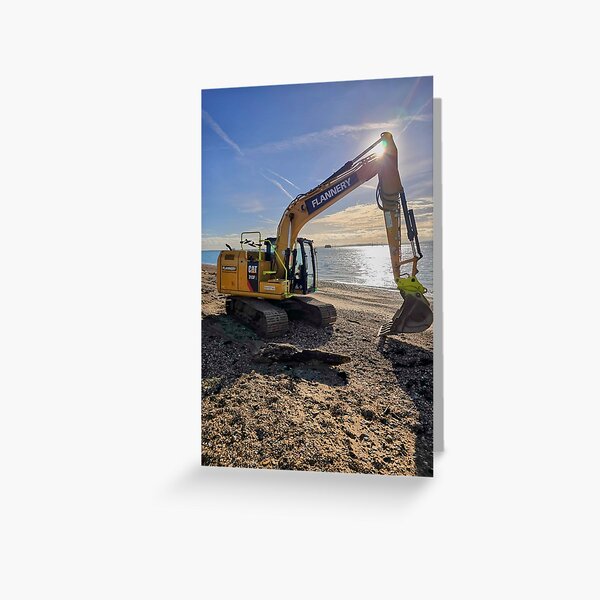
Digger on at the Beach En Plein Air at Elderescence TV Greeting Card


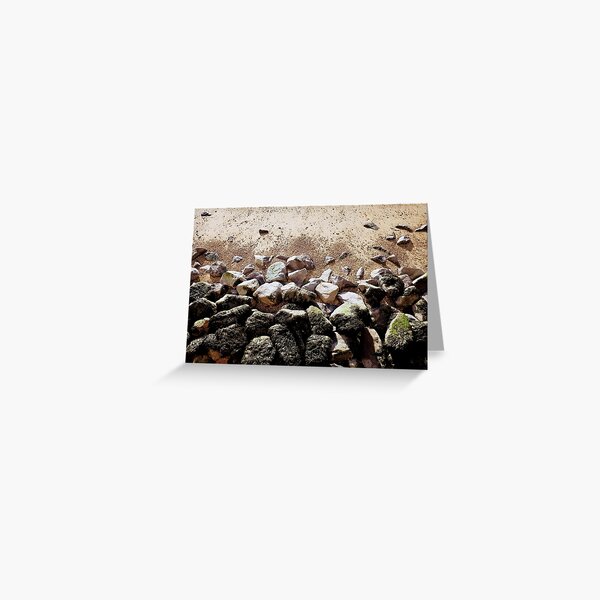
Rock on the Beach by En Plein Air Elderescence TV Greeting Card


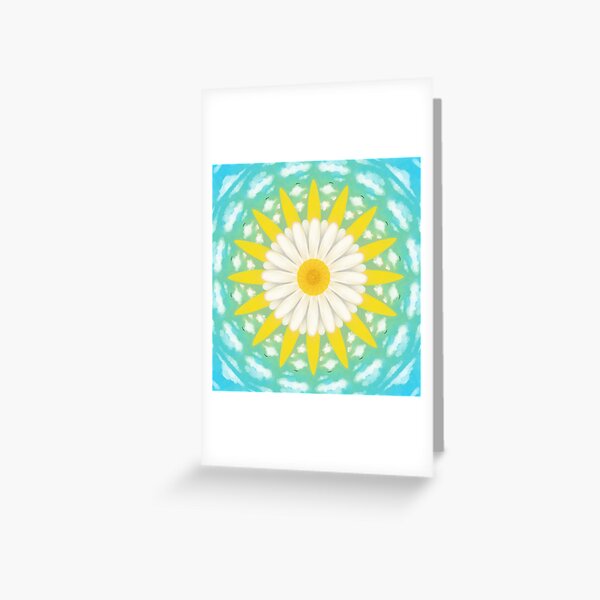
Sunflower Shining on a Sunny Day by Sarnia de la Mare Greeting Card


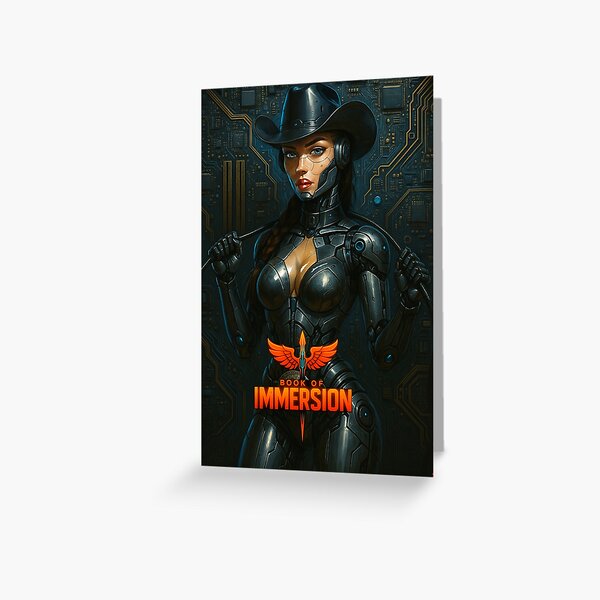
Cybernetic Cowboy – Book of Immersion Strata 2 Artwork | Tale Teller Club ft. iServalan Greeting Card


Renyke Begins the Journey – Book of Immersion Greeting Card


Book of Immersion, The First Sighting of Maybeline Greeting Card


Book of Immersion, Contemplation Greeting Card


Book of Immersion, Mabel Prepares the Inception Greeting Card


Book of Immersion, Renyke is Alive Greeting Card


Book of Immersion, Trepidation Greeting Card


Book of Immersion, the Animals are Watching Greeting Card


Book of Immersion, Rewired Greeting Card


Ableteen Robot Servant Book of Immersion Strata 1 Greeting Card


Book of Immersion – “Butterfly Effect” Illustration Strata 1 Greeting Card


Mercury POS Book of Immersion Strata 1 Collectors Issue Greeting Card


Book of Immersion Strata 1 Cover Art Greeting Card


Book of Immersion Orange Patch Logo Art Greeting Card


Cyborg Bloom – Futuristic Floral Robot Portrait Ship of Sirens Art by iServalan Greeting Card


Mr Capricious Music Video Still Art by Tale Teller Club Greeting Card


Renyke Dreams of Flex Book Of Immersion Illustration Greeting Card


Thread Bear Autism Baby Rat by Tale Teller Kids Greeting Card


Neon sci-fi vibes from The Book of Immersion Greeting Card


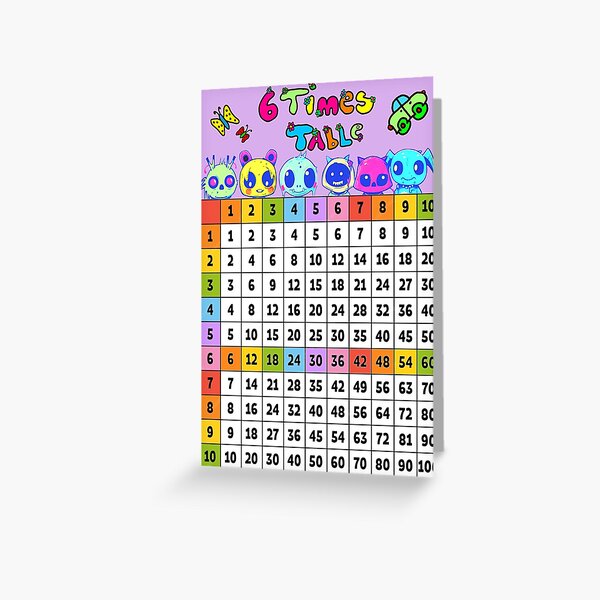
Baby Army by Toddle Poddle 6 Times Table Maths Fun Greeting Card


Cheeky Baby Crew Toddle Poddle Army Tale Teller Kids Greeting Card


Cyan and Pink Lady with Monocle Neon Collection Tale Teller Club Merch Greeting Card


Beats Ministry Tale Teller Club Orchestra Neon Logo Greeting Card


After Titian’s by Sarnia, scribble painting mandala portrait Greeting Card


An Afternoon in the Park, scribble painting by Sarnia Greeting Card


Purple Rain Scribble Painting by Sarnia Greeting Card


Blue Jesus by Scribble Artist illustrator Sarnia de la Mare Greeting Card


Inclusion and Positivity Tale Teller Kids Greeting Card


Amalie and the Yellow Monsters Rat Gang Crew and the Overgrounders Greeting Card


Sirens from The Immersion Book by Tale Teller Club pixel Paintings Greeting Card


Blink Friction Magazine Cover Design by Tale Teller Club Publishing Greeting Card


Countess of Brighton and Hackney Diaries Book Cover by Tale Teller Club Greeting Card


Rat Gang Crew Books Graf Artist in His Castle by iServalan in Greyscale Greeting Card


Rat Girl Racer from Rat Gang Crew and the Broken City by iServalan Greeting Card


Rat Punk from Rat Gang Crew and the Broken City Tale Teller Club Books Greeting Card


The Countess of Brighton and Hackney is Gifted Modern Art Greeting Card


Rat Gang Crew Logo by Tale Teller Kids Books Greeting Card


Rat Boy Racer Chase from Rat Gang Crew Books Greeting Card


Ratty and Mouse from Rat Gang Crew by iServalan Greeting Card


Pink Skull and Crow with Butterfly Eye by iServalan for Tale Teller Club Greeting Card


There’s a Mouse in the House Rat Gang Crew Illustration by iServalan Greeting Card