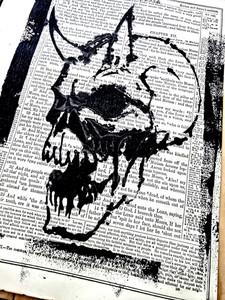
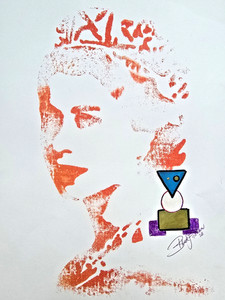
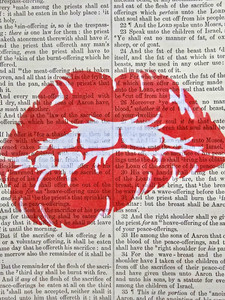
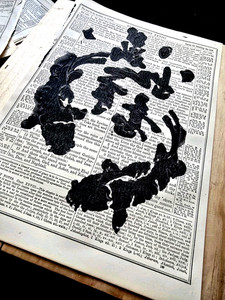
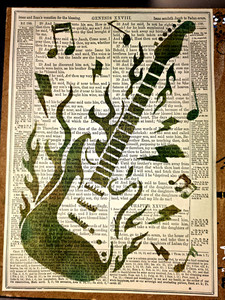
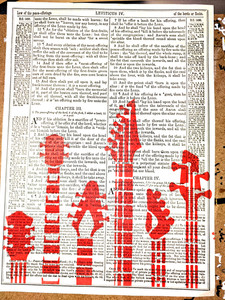
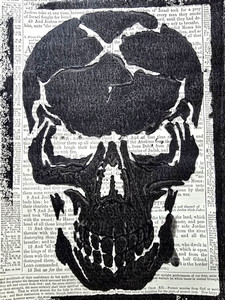
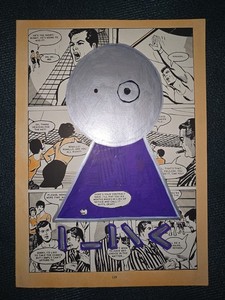
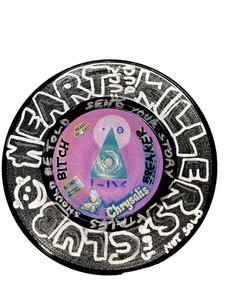
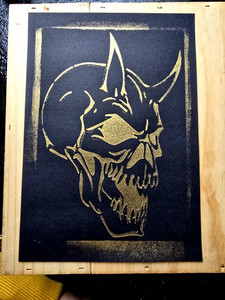
“A tactile sigil artefact from the Book of Immersion universe.”
“Part of a shared symbolic language embedded across found objects.”
“Material memory, not reproduction.”
“Designed to age, not to remain pristine.”
“Best displayed with space — box framing recommended.”
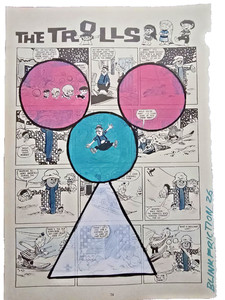
Dinfant Sigil (Blink Friction / BOI)
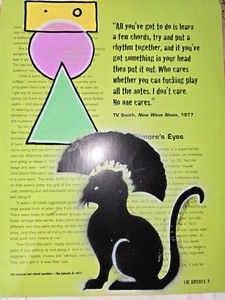
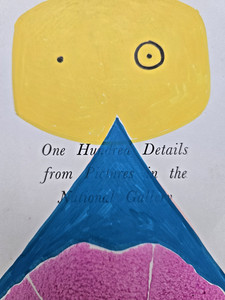
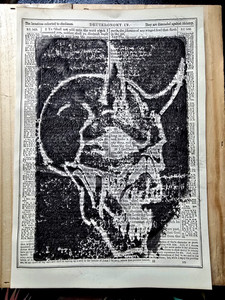
This work features the Dinfant Sigil, a symbolic mark drawn from the narrative universe of The Book of Immersion. Within the BOI cosmology, Dinfants are discarded child-like machines — orphaned intelligences who form their own societies, rituals, and mythologies from remnants of lost systems. The sigil functions as both identity and signal: a quiet declaration of presence, survival, and shared memory.
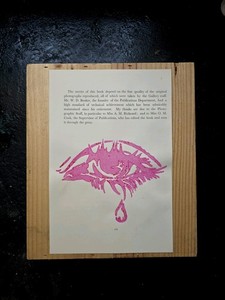
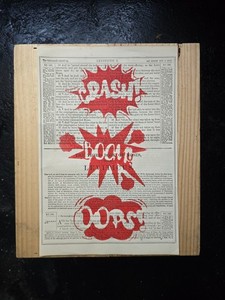
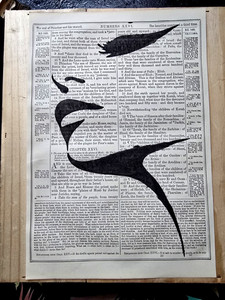
The sigils used throughout The Book of Immersion are not illustrative logos but fragments of a working symbolic language. They appear repeatedly across time and strata — scratched into surfaces, daubed onto walls, embedded in detritus — acting as a connective tissue between characters, eras, and parallel realities. In this way, each sigil is less a symbol than a temporal marker, carrying meaning forward through decay, reuse, and rediscovery.
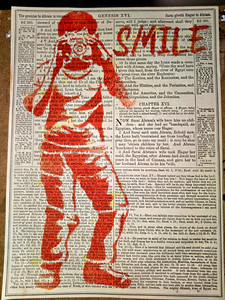
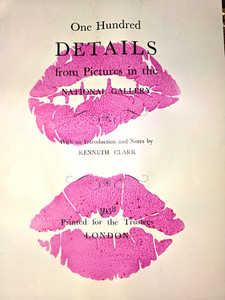
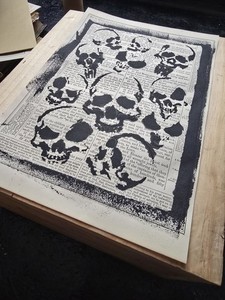
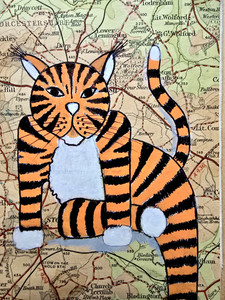
This philosophy is central to the Blink Friction project. All sigils are executed on found, reclaimed, or historically charged materials, allowing the object itself to participate in the narrative. Time is not simulated; it is present. The substrate bears its own history — stains, fibres, brittleness, marginal text — and the sigil is added as a new layer in an ongoing continuum rather than as a clean interruption.
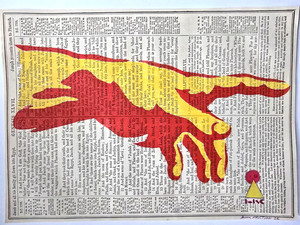
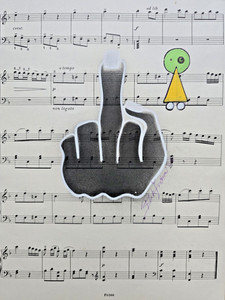
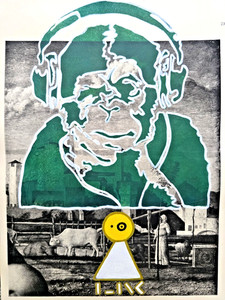
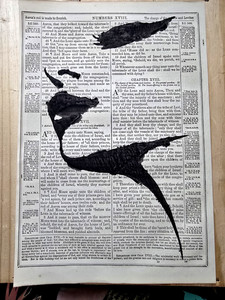
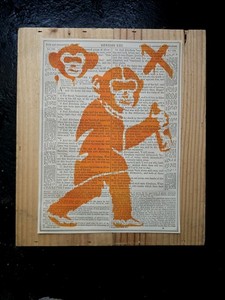
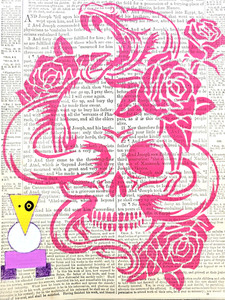
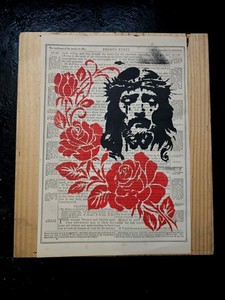
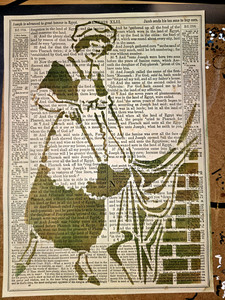
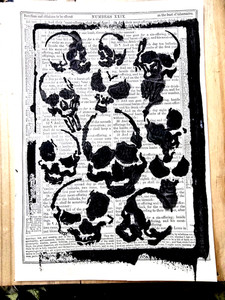
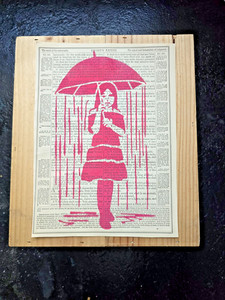
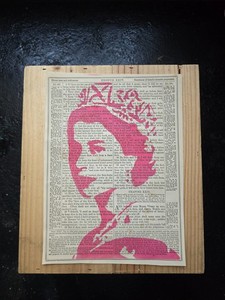
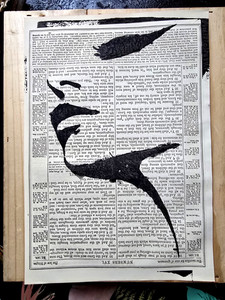
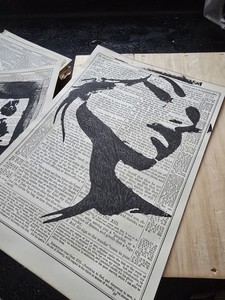
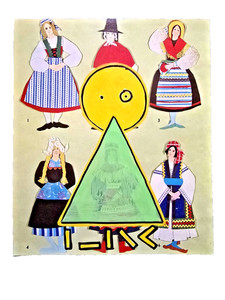
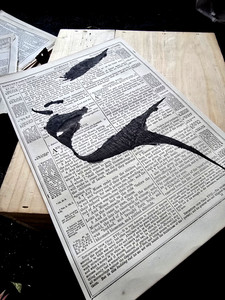
In this piece, the sigil has been hand-painted directly onto a salvaged book page. The acrylic pigment has subtly reacted with the paper, causing the central area to contract and buckle as it dried. This unplanned physical response is embraced rather than corrected, giving the work a slight relief-like, almost sculptural quality. The surface catches light differently across its plane, suggesting depth and dimensionality that rewards close viewing. For this reason, the work lends itself particularly well to box framing, where shadow and air can be allowed to interact with the object, rather than being pressed flat behind glass.
The colours and geometry are deliberately restrained yet assertive — balancing childlike clarity with ritual seriousness. As with all Blink Friction sigils, the form is designed to feel simultaneously ancient and futuristic, as if it could belong equally to a forgotten civilisation or a system yet to come.
Importantly, these works are tactile artefacts, not merely visual ones. They retain the patina of their former lives: the softness of aged paper, the faint unevenness of fibres, and — in this case — a subtle, unmistakable scent reminiscent of an old bookshop or archive. This sensory residue is part of the work’s identity, reinforcing the idea that meaning is carried not only through image, but through material memory.
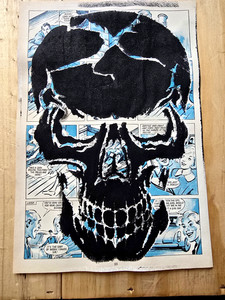
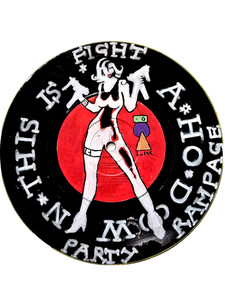
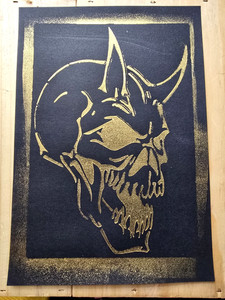
Across the Blink Friction project, sigils such as the Dinfant, Cadre, and Freak marks form a shared visual language, appearing across multiple objects, scales, and contexts. Encountered individually, they function as intimate relics; encountered collectively, they suggest a wider, unfolding system — a universe communicating with itself through fragments.
Each sigil work is entirely unique. There are no editions, no replicas, and no attempts to artificially standardise what is, by nature, unstable, temporal, and alive.
ABOUT BLINK FRICTION SIGILS
Blink Friction sigils form a shared visual language embedded across reclaimed objects. Each mark appears once, on one surface only. Materials are never cleaned back to neutral — time, wear, smell, and damage are part of the work.
No two pieces are alike.
No editions exist.
Nothing is designed to stay pristine.
Context Note
The Dinfant Sigil originates from the narrative world of The Book of Immersion, where symbolic marks appear repeatedly across different strata as a form of non-verbal communication. On the accompanying blog, individual chapters document how these sigils emerge within the story — sometimes as graffiti, sometimes as remnants, sometimes as misunderstood signals left behind by marginalised machine cultures. This object exists as a material echo of that same language, translated onto a found surface rather than a page or screen.